
Blog
How to Organize Your Kitchen Using Plastic Food Boxes

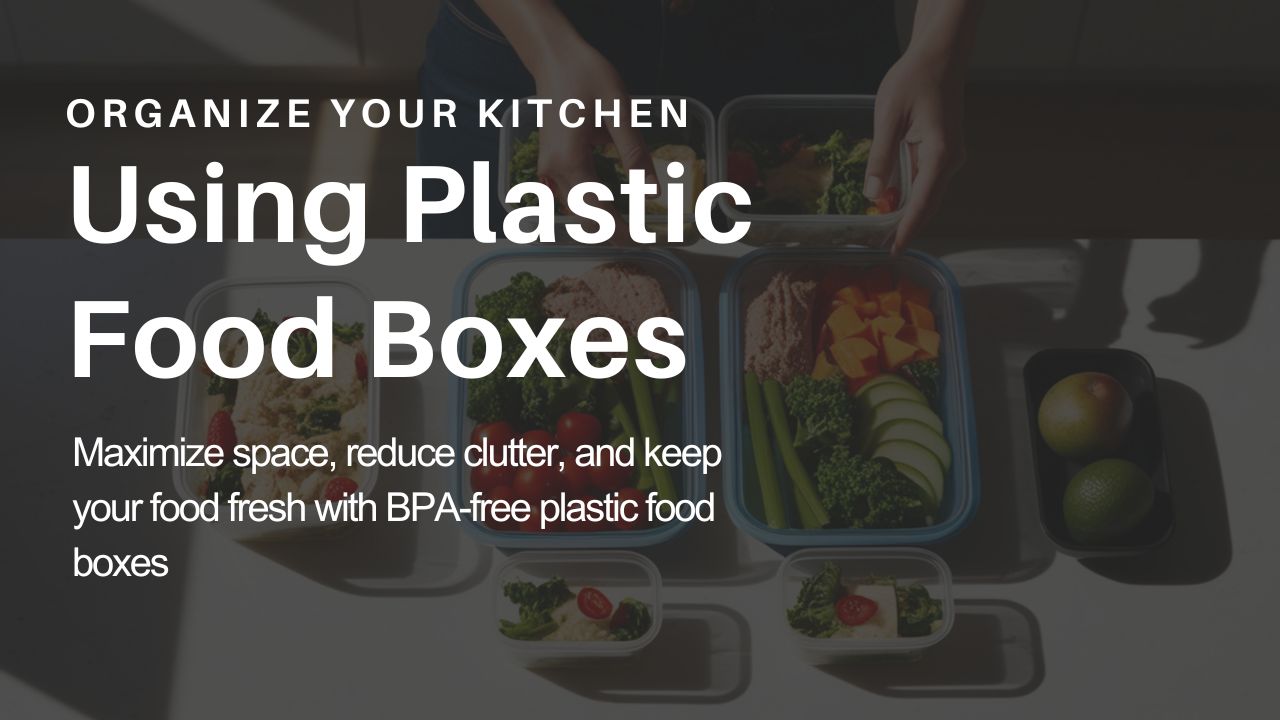
A well-organized kitchen is not just about appearance—it directly impacts how efficiently you cook, clean, and manage daily meals. When cabinets are cluttered, containers are mismatched, and pantry items are scattered, even simple cooking tasks can feel stressful. Many people struggle with limited storage space, forgotten leftovers, and overflowing shelves, especially in busy households.
This is where plastic food boxes become an effective and practical solution. They are lightweight, affordable, easy to arrange, and available in a wide variety of shapes and sizes. When used correctly, plastic food boxes can help you maximize space, reduce food waste, and maintain a clean, functional kitchen. This guide will show you how to organize your kitchen using plastic food boxes in a simple, realistic, and long-lasting way.
Why Plastic Food Boxes Work So Well for Kitchen Organization
Plastic food boxes have become a staple in modern kitchens for good reason. Unlike glass or metal containers, plastic boxes are easier to handle and rearrange, especially when cabinets or shelves need frequent adjustments. Their lightweight nature makes them convenient for everyday use without causing strain.
Another major advantage is affordability. Organizing an entire kitchen can become expensive if you choose premium materials. Plastic food boxes allow you to create a uniform, organized system without overspending. This makes them ideal for families, renters, and anyone working within a budget.
Additionally, modern plastic containers are designed with airtight lids and stackable shapes. These features help keep food fresh while making better use of vertical space in cabinets, pantries, and refrigerators.
Start With Decluttering Before You Organize
Before bringing in new storage solutions, it’s important to declutter your kitchen. Organizing without decluttering often leads to overcrowded shelves and inefficient storage.
Begin by emptying your pantry, cabinets, and refrigerator. Check expiration dates, discard stale food, and remove items you no longer use. This process not only creates physical space but also gives you a clear idea of what actually needs to be stored.
Once you’ve decluttered, you can browse a wide selection of plastic food boxes to find the perfect containers for your pantry, fridge, and cabinets. Choosing the right boxes will make organizing much easier and more effective.
Once decluttering is done, clean all shelves and drawers thoroughly. A clean surface helps maintain hygiene and makes the new organization system easier to maintain over time.
Categorize Kitchen Items for Better Organization
After decluttering, the next step is categorizing. Grouping similar items together makes storage more logical and helps you find things quickly.
Dry goods such as rice, flour, and cereals should be stored separately from snacks and baking ingredients. Cooked food and leftovers need different containers than pantry staples. Creating clear categories prevents mixing items and reduces unnecessary mess.
This step also helps determine the number and size of plastic food boxes you’ll need. Instead of buying random containers, you can choose storage boxes that fit your actual kitchen requirements.
Choosing the Right Plastic Food Boxes
Not all plastic containers are suitable for efficient kitchen organization. Choosing the right type makes a noticeable difference in how functional and neat your kitchen looks.
Always opt for BPA-free and food-grade plastic to ensure safety. Airtight lids are essential for keeping food fresh and preventing moisture or pest exposure, especially for pantry items.
Whenever possible, choose square boxes for food storage. Square and rectangular containers fit more efficiently into cabinets and shelves compared to round ones. They reduce wasted space and allow better stacking, which is especially useful in small kitchens.
It’s also helpful to invest in containers of similar design but different sizes. This creates a uniform appearance while still accommodating various food quantities.
Labeling and Arranging Containers Properly
Labeling is a simple step that often gets ignored, but it plays a crucial role in maintaining organization. Clear labels help you identify contents instantly, saving time during cooking and grocery planning.
You can label containers with food names and, if needed, refill dates. This is particularly useful for pantry staples and leftovers. Labels ensure that all family members follow the same system, preventing confusion.
When arranging containers, place frequently used items at eye level. Heavier boxes should be stored on lower shelves for safety, while rarely used items can be kept higher up.
Organizing the Pantry Using Plastic Food Boxes
The pantry is one of the most important areas to organize properly. A messy pantry often leads to duplicate purchases and wasted food.
Transfer dry foods from original packaging into airtight plastic food boxes. This not only improves visibility but also protects food from moisture and pests. Transparent containers allow you to see quantities at a glance, making restocking easier.
Arrange pantry items by category and frequency of use. Snacks and breakfast items should be easily accessible, while bulk items can be stored on lower shelves. This simple system keeps the pantry neat and easy to maintain.
Organizing the Refrigerator with Plastic Containers
An organized refrigerator helps reduce food waste and improves hygiene. Plastic food boxes are particularly useful here because they are lightweight, easy to stack, and help keep everything in its place.
Use leak-proof plastic containers for cooked meals and leftovers. Clear containers work best, as they allow you to see what’s inside without opening the lid, reducing forgotten food at the back of shelves. For convenience, consider using products like 1000 ml microwave disposable food storage boxes which are perfect for storing leftovers, reheating meals, and keeping your fridge organized efficiently.
Designate specific areas in the refrigerator for different food types. For example, keep leftovers on one shelf, fruits and vegetables in another, and dairy products in a separate section. This structured approach makes daily use more efficient and ensures that your meals stay fresh longer.
Organizing Kitchen Cabinets and Drawers
Kitchen cabinets often become cluttered due to mismatched containers and loose lids. Plastic food boxes help solve this problem when arranged thoughtfully.
Stack containers of similar sizes together to save space. Store lids separately in a designated section or organizer to avoid frustration when searching for matching pairs.
Square plastic food boxes are particularly effective in cabinets because they align neatly with shelf edges. This creates a clean, organized look while maximizing available space.
Tips for Organizing a Small Kitchen Efficiently
Small kitchens require smarter storage solutions rather than more storage items. Plastic food boxes can help make limited space more functional.
Use uniform container shapes to create a streamlined system that stacks well. Vertical stacking is especially important in small kitchens where shelf space is limited.
Transparent plastic food boxes reduce the need to open containers repeatedly, saving time and keeping the kitchen workflow smooth. Keeping frequently used items within easy reach also minimizes unnecessary movement.
Common Kitchen Organization Mistakes to Avoid
Even with the right containers, certain mistakes can reduce the effectiveness of your organization system.
Avoid overcrowding shelves, as this makes containers difficult to access. Mixing different food types in one box can cause confusion and affect food quality. Using damaged or non-airtight containers can also compromise hygiene and freshness.
Regular cleaning and occasional reorganization are necessary to maintain long-term efficiency. Organization is an ongoing process, not a one-time task.
Frequently Asked Questions
Can plastic food boxes go in the dishwasher?
Yes, most BPA-free and food-grade plastic boxes are dishwasher-safe. However, always check the manufacturer’s instructions, and place them on the top rack to prevent warping.
Are plastic containers freezer-safe?
Many plastic food boxes are designed for freezer use. Look for containers labeled “freezer-safe” to prevent cracking in low temperatures.
How should I clean stubborn stains in plastic boxes?
Soak containers in warm water with baking soda or vinegar. Avoid harsh scrubbing, which can scratch the plastic and trap odors.
Can I store hot food in plastic boxes?
Only use containers labeled microwave-safe or heat-resistant for hot foods. Avoid placing boiling liquids directly into standard plastic boxes.
What is the best way to prevent odors in plastic boxes?
Always wash containers thoroughly after each use, store with lids slightly open if storing dry items, and avoid storing strong-smelling foods for long periods.
Do plastic boxes leach chemicals into food?
High-quality BPA-free, food-grade plastic boxes are safe and do not leach harmful chemicals when used as directed. Avoid using cracked or low-quality containers.
Can plastic food boxes be reused multiple times?
Yes, BPA-free, food-grade plastic boxes are durable and can be reused multiple times with proper care. Regular inspection for cracks or wear is recommended.
What types of foods should not be stored in plastic boxes?
Avoid storing highly acidic foods like tomato sauces for long periods in low-quality plastic containers. Use glass or ceramic for better long-term storage of acidic foods.
Conclusion
Organizing your kitchen using plastic food boxes is a practical and affordable way to improve efficiency, hygiene, and visual appeal. Their lightweight design, airtight protection, stackability, and versatility make them suitable for pantries, refrigerators, cabinets, and drawers alike. By decluttering, categorizing items, choosing the right square boxes for food storage, and maintaining a clear system, you can transform your kitchen into a functional and stress-free space.
With thoughtful planning and consistent habits, plastic food boxes can help you enjoy a cleaner, better-organized kitchen every day.
