Aluminum Foil in Pakistan: Uses, Prices, Food Safety & Buying Guide
- Sufiyan Ghazi
- No Comments
Aluminum foil has become an indispensable household and commercial kitchen item across Pakistan. From everyday cooking and food storage to large-scale catering and takeaway packaging, this versatile material plays a crucial role in maintaining food quality, hygiene, and convenience. Its widespread use is driven by affordability, availability, and its ability to withstand heat while preserving freshness.
Over the years, aluminum foil has evolved from a simple wrapping material into a multifunctional kitchen essential. Understanding its uses, safety aspects, and selection guidelines can help households and food businesses make informed decisions while using it efficiently and responsibly.
Everyday Uses of Aluminum Foil
One of the main reasons aluminum foil is so popular in Pakistan is its wide range of practical applications. Its flexibility and durability allow it to adapt to multiple kitchen needs.
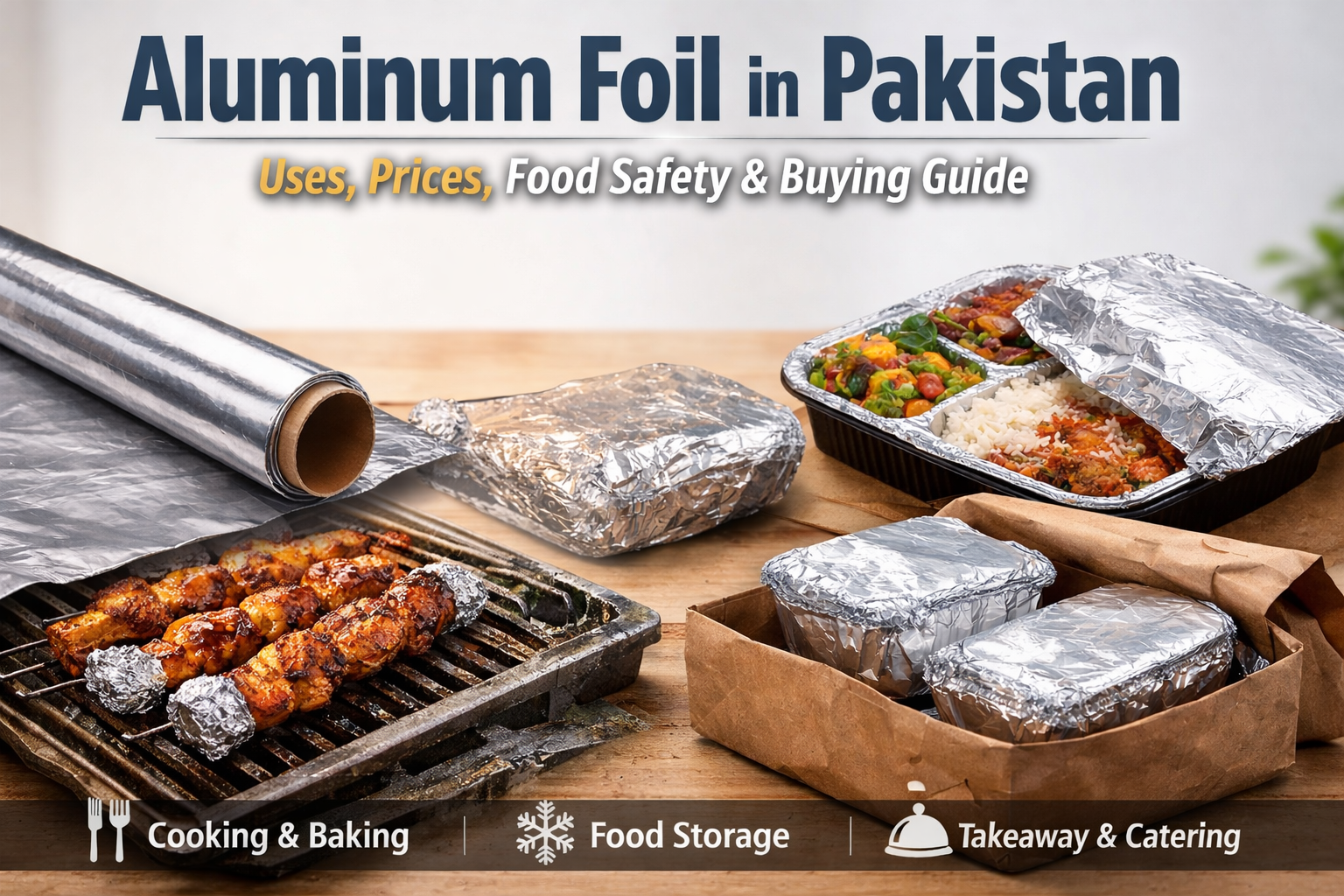
Cooking and Baking Applications
Aluminum foil is commonly used in cooking and baking to ensure even heat distribution. Covering food with foil while baking helps retain moisture and prevents over-browning. It is frequently used for roasting vegetables, baking chicken, and preparing casseroles in ovens.
For barbecue and grilling, aluminum foil helps keep marinated food tender by sealing in juices. Many households also use foil to line baking trays, making cleanup easier and reducing oil residue.
Aluminum Foil for Food Wrapping and Storage
Food storage is another major use of aluminum foil in Pakistan. Leftover meals, snacks, and cooked dishes are often wrapped in foil to protect them from air exposure and moisture loss.
Aluminum foil is especially useful for:
- Refrigerating cooked food
- Freezing items for later use
- Preventing odor transfer inside refrigerators
Its ability to act as a barrier helps maintain food freshness and quality for short to medium durations.
Aluminum Foil in Restaurants and Takeaway Packaging
With the rapid growth of restaurants and food delivery services in Pakistan, aluminum foil has become a preferred packaging solution. Many food businesses rely on foil to keep meals warm during transportation while ensuring hygienic handling.
Restaurants commonly use aluminum foil for:
- BBQ items and grilled meats
- Rolls, wraps, and sandwiches
- Semi-dry rice and pasta dishes
Its lightweight nature and ease of handling make it ideal for fast-paced commercial kitchens.
Catering and Event Management Uses
In catering services and large events such as weddings and corporate gatherings, aluminum foil plays a vital role. It is used to cover large trays and food containers, helping retain heat and prevent contamination.
For caterers, foil offers convenience by reducing the need for reusable lids and minimizing the risk of food exposure during transport and service.
Aluminum Foil and Food Safety
Although aluminum foil is considered safe for general use, proper handling and awareness are essential to avoid potential risks.
Acidic Foods and Aluminum Interaction
Foods containing tomatoes, citrus, vinegar, or strong spices are acidic in nature. Prolonged contact between acidic foods and aluminum foil can lead to slight chemical reactions that may affect taste and food quality.
To minimize this risk, acidic foods should be placed in a container before being covered with foil rather than wrapped directly.
Heat Safety and Usage Guidelines
Aluminum foil is suitable for oven cooking and indirect heat applications. However, placing it directly over open flames should be avoided, as extreme heat may cause tearing or overheating.
When grilling, foil should be used carefully and not allowed to touch flames directly for extended periods.
Reusing Aluminum Foil
While aluminum foil can sometimes be reused if it is clean and intact, hygiene should always be a priority. Foil that is greasy, torn, or contaminated with food residue should be discarded.
For food safety, single-use is often recommended in commercial environments.
Aluminum Foil vs. Other Wrapping Materials
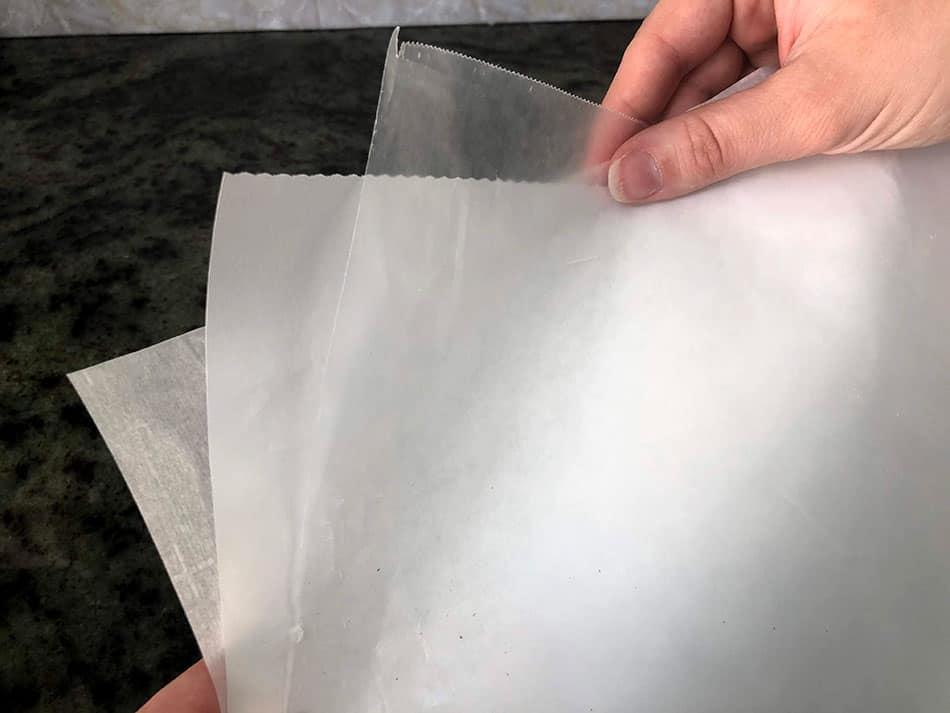
Many people confuse aluminum foil with alternatives such as cling film, but each serves a different purpose.
When Aluminum Foil Is the Better Choice
- Cooking and baking
- Heat retention
- Freezer storage
- Covering hot food
When Other Wrapping Materials Are More Suitable
- Cold food storage
- Covering bowls and containers
- Microwave-safe applications
Understanding these distinctions helps prevent misuse and ensures better food preservation.
Thickness and Quality Considerations
Not all aluminum foil products offer the same quality. Thickness plays an important role in durability and performance.
- Thin foil is suitable for light wrapping and short-term use
- Thicker foil is more durable and ideal for cooking, grilling, and commercial kitchens
Higher-quality foil is less likely to tear and provides better insulation, making it more reliable for frequent use.
Aluminum Foil Prices in Pakistan: What Influences Cost?
The cost of aluminum foil in Pakistan can vary based on several factors, including:
- Foil thickness
- Roll length
- Intended use (household or commercial)
- Market demand and raw material prices
Smaller rolls are commonly used in homes, while larger rolls are preferred by restaurants and caterers due to cost efficiency.
Environmental Impact and Responsible Use
As environmental awareness grows in Pakistan, responsible use of aluminum foil has become increasingly important. Aluminum is recyclable, but proper disposal is essential.
Reducing unnecessary usage, reusing clean foil where possible, and disposing of it responsibly can help minimize environmental impact. Cleaning food residue before recycling also improves recyclability.
Practical Buying Guide for Aluminum Foil
When selecting aluminum foil, consider:
- Frequency of use
- Cooking or storage requirements
- Required thickness
- Storage space
Households with occasional use may prefer compact rolls, while businesses benefit from bulk options designed for heavy-duty applications.
Conclusion
Aluminum foil continues to be a valuable and versatile kitchen essential in Pakistan. Its applications range from everyday home cooking and food storage to large-scale restaurant and catering use. By understanding its proper usage, safety considerations, and quality differences, users can maximize its benefits while maintaining food hygiene and efficiency.
When used responsibly, aluminum foil offers a practical solution for preserving food quality, improving cooking outcomes, and supporting modern food-handling practices. Making informed choices ensures safer usage and better long-term value for both households and businesses.