
Blog
Food Containers: Everyday Uses, Food Safety & Smart Storage Practices

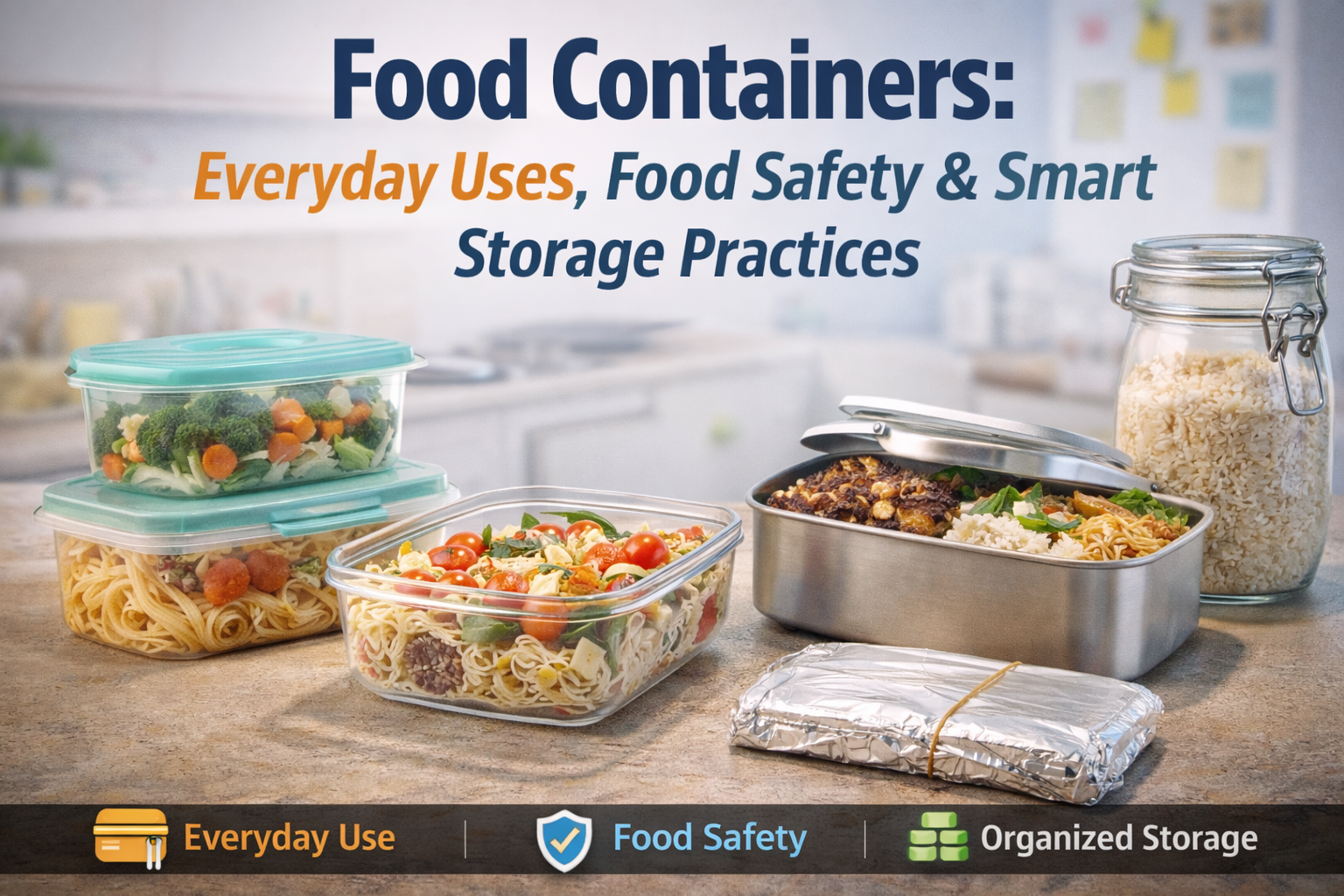
Food containers play an essential role in modern kitchens, offices, and food-handling environments. From storing leftovers to packing meals for work or school, these containers help maintain food quality, freshness, and hygiene. Over time, food containers have evolved in design and material, offering convenience while addressing safety and storage concerns.
Despite their everyday use, many people are unaware of the best practices for using food containers safely. Understanding how to choose the right container, store food properly, and maintain hygiene can significantly improve food quality and reduce health risks. This article explores everyday uses of food containers, food safety considerations, and smart storage practices that support healthier eating habits.
What Are Food Containers?
Food containers are storage solutions designed to hold food safely for short- or long-term use. They are commonly made from materials such as plastic, glass, metal, or paper-based composites. Each material serves a specific purpose depending on food type, temperature, and storage duration.
Modern food containers are designed to protect food from air exposure, moisture loss, and contamination. Their versatility makes them suitable for home kitchens, offices, catering services, and food businesses.
Everyday Uses of Food Containers
Food containers are used in a variety of everyday situations, making them an indispensable kitchen essential.
Storing Leftovers
One of the most common uses of food containers is storing leftover meals. Proper containers help preserve taste and texture while preventing odor transfer in refrigerators. Using airtight containers also slows down spoilage and keeps food fresh for longer.
Meal Preparation and Lunch Packing
Food containers are widely used for meal prepping and packing lunches. They allow portion control and help organize meals in advance, making them especially useful for busy routines.
Dry Food Storage
Containers are also used for storing dry food items such as rice, flour, sugar, and spices. Keeping dry foods in sealed containers protects them from moisture, insects, and contamination.
Food Safety and Storage Guidelines
Food safety is a critical aspect of using food containers effectively. Improper storage can lead to food spoilage and health risks.
Hot Food Storage
Hot food should not be sealed immediately in airtight containers. Allowing food to cool slightly before storage reduces condensation, which can promote bacterial growth. Containers used for warm food should be heat-resistant and designed for temperature changes.
Cold Food and Refrigeration
Cold foods should be stored in clean, sealed containers to prevent contamination and odor absorption. Labeling containers with storage dates can help track freshness and reduce food waste.
Freezer Storage
For freezing food, containers should be durable and able to withstand low temperatures. Freezer-safe containers help prevent freezer burn and preserve food quality.
Choosing the Right Food Container Material
Different materials offer different benefits, and choosing the right one depends on usage needs.
Plastic Food Containers
Plastic containers are lightweight, affordable, and widely used. They are suitable for everyday storage but should be handled carefully to avoid exposure to excessive heat unless labeled as heat-resistant.
Glass Containers
Glass containers are preferred for their durability and resistance to staining and odors. They are ideal for reheating food and long-term storage but are heavier and more fragile.
Metal Containers
Metal containers are often used for dry food storage and lunch boxes. They are durable and long-lasting but may not be suitable for all food types, especially acidic items.
Reheating Food Safely in Containers
Reheating food is a common practice, but safety guidelines should always be followed.
- Use containers labeled as microwave-safe
- Avoid reheating food in damaged or cracked containers
- Stir food evenly during reheating to ensure uniform temperature
Following these practices helps prevent chemical exposure and uneven heating.
Hygiene and Cleaning Practices
Proper cleaning of food containers is essential for maintaining food safety.
Regular Washing
Containers should be washed thoroughly after each use, especially when storing oily or strongly flavored foods. Warm water and mild detergent help remove residue effectively.
Avoiding Cross-Contamination
Using separate containers for raw and cooked food reduces the risk of cross-contamination. Color-coded or labeled containers can help maintain better hygiene.
Replacing Worn Containers
Containers that are cracked, stained, or retain odors should be replaced. Damaged containers can harbor bacteria and compromise food safety.
Smart Storage Practices for Better Organization
Efficient storage practices make kitchens more organized and functional.
- Stackable containers save space
- Transparent containers allow easy identification of contents
- Uniform container sizes improve storage efficiency
Organized storage not only saves time but also helps reduce food waste.
Environmental Considerations
With increasing awareness of environmental impact, many people are reconsidering how they use food containers. Reusable containers reduce reliance on single-use packaging and contribute to waste reduction.
Choosing durable containers, minimizing unnecessary disposal, and recycling when possible support more sustainable food storage habits.
Common Mistakes to Avoid
Some common mistakes can reduce the effectiveness of food containers:
- Storing hot food in non-heat-resistant containers
- Overfilling containers, leading to spills
- Using containers without proper lids
Avoiding these mistakes improves both safety and convenience.
Practical Tips for Everyday Use
- Allow food to cool before sealing
- Label containers for better organization
- Store similar items together
- Clean containers immediately after use
These simple habits can significantly improve food storage quality.
Conclusion
Food containers are a vital part of everyday life, supporting safe food storage, organization, and convenience. By understanding proper usage, material selection, and hygiene practices, individuals can make better decisions that enhance food safety and reduce waste.
Adopting smart storage habits not only preserves food quality but also contributes to a more organized and efficient kitchen. With thoughtful use and maintenance, food containers remain a reliable solution for modern food-handling needs.
